
vis4climate
IEEE VIS, November 9th
The Westin Copley Place
Workshop on Building a Transdisciplinary Climate Vis Community
The need to understand, mitigate, and adapt to climate change and its resulting problems is greater than ever. Solutions can take many forms, ranging from understanding key factors in climate modeling to monitoring forests and species distributions to deciding how to model a sustainable energy or transportation grid, and finally, to communicating the implications to non-experts. This 4th IEEE VIS workshop on visualization and climate change aims to continue the discussion of the role visualization can play in mitigating climate change and to build a strong community of academics and practitioners. In contrast to the interdisciplinary role of visualization in other domains, climate change problems include numerous and diverse stakeholders, and therefore calls for transdisciplinary collaborations among these stakeholders. This workshop aims to elevate the role of visualization in combating climate change by creating a space for interactive discussions with invited guests and the scientific community. To this end, the workshop invites a diverse set of guests from policy, community engagement, and science. For more information, see the Workshop Proposal.
Goals of this Workshop
- Discuss, exchange on, and identify challenges and directions for research in the area of vis4climate.
- Share and discuss current work and viewpoints from the community to raise awareness of this research.
- Create a strong vis4climate community consisting of academics, practitioners, and decision-makers by fostering collaborations and a common understanding of the field.
- Share the results of discussions during the workshop as a basis for building a strong vis4climate community.
Program
Talks, discussions, and networking. We will have invited speakers from academia, policy, and community engagement, as well as presentations of accepted submissions. We will also have ample time for discussions and networking to foster collaborations and build a strong vis4climate community. The main workshop will be held in Boston, but we will have a satellite workshop in Paris that cross streams presenters. The workshop will happen on Monday, November 9, 2026 8:00 AM - 11:30 PM (EST). See the Week at a Glance program for more details.
Displayed in Eastern Time (EST). Local conversion loads automatically.
| Time (EST) | Program |
|---|---|
| 08:00 - 08:05 | Welcome from the Organizers |
| 08:05 - 08:45 | Paper Session 1: Communication & Education Toward Climate Dataviz Literacy: An Initial Educational Agenda for the vis4climate Community Klimadashboard: Tangible Climate Data Communication Across Austria and Germany Visualizing and "Budgeting" the Emissions of Everyday GenAI Use Quiet Climate Communication: Beauty and Poetry Beyond Visual Design - Rethinking Persuasive Data Storytelling to Address Wicked Problems Paper Session 2: Domain Experts GNN-VIEW: Visual Inspection and Explanation of GNN-based Weather Models Enabling a Material Re-Use Workflow with LLM-Extracted Metadata for Circular Construction AgroScan - An Interactive SOC Prediction Tool for Farmers GeoXplain: On-the-Fly Visual Explanations for Weather Foundation Models |
| 08:45 - 09:30 | Panel Discussion with our Special Guests Ana Paola De La Vega (City of Boston), Lucy Padilla (Climate Partner), Yuri Engelhardt (University of Twente), Valérie Masson-Delmotte (Université Paris Saclay), Dietmar Offenhuber (Northeastern University) |
| 09:30 - 10:00 | Coffee Break |
| 10:00 - 11:00 | Interactive Group Discussions Discuss with our special guests questions like "How to effectively collaborate across disciplinary boundaries to tackle climate problems?", "How to drive the impact of visualization tools for public discourse, education, and decision-making?", and "How to empower diverse stakeholders to understand climate data and make informed decisions?". |
| 11:00 - 11:30 | Convergent Discussions and Conclusion Share the insights from the discussions and formulate key takeaways. |
Invited Guests
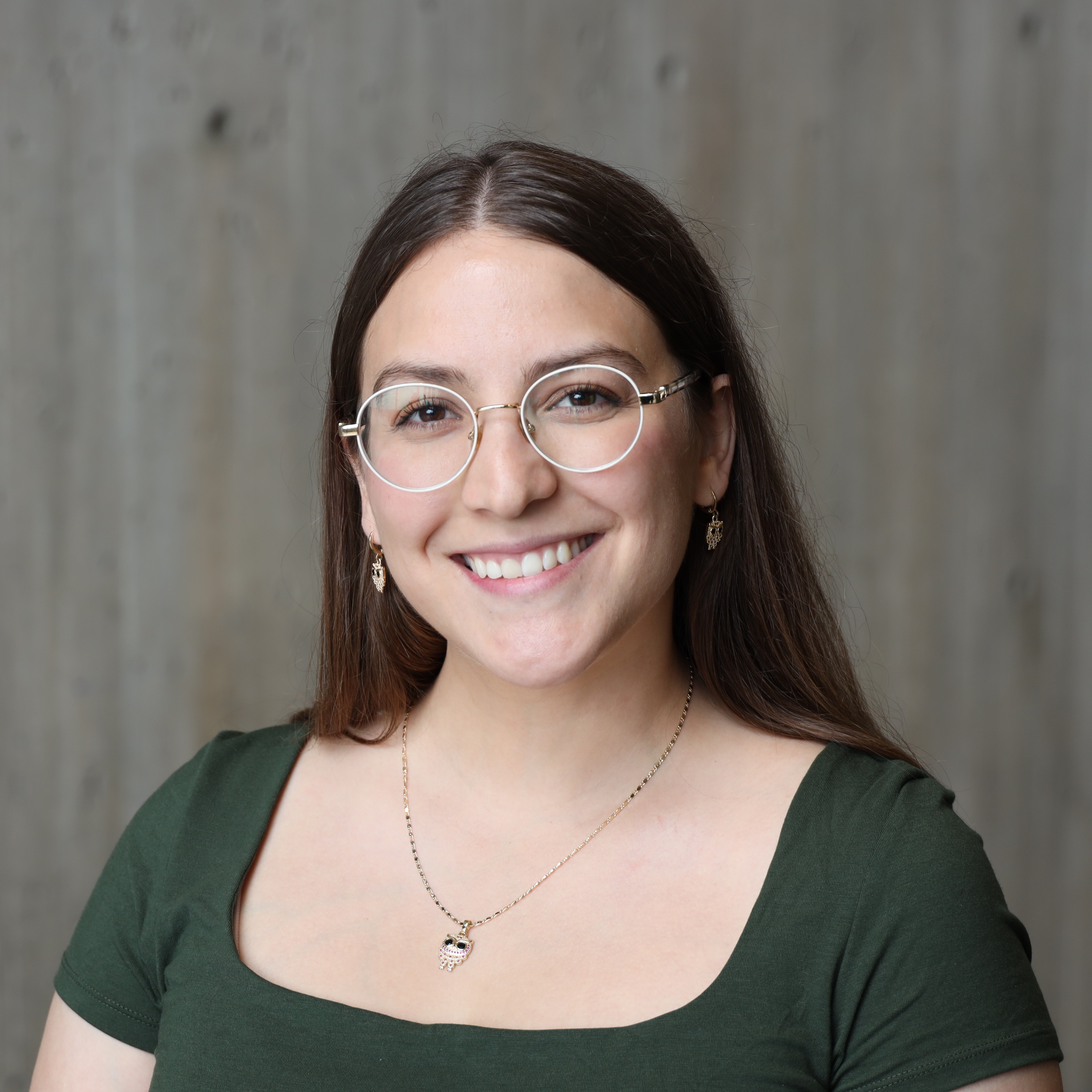
Ana Paola De La Vega
City of Boston
She currently serves as a Senior Analyst at the Environment Department for the City of Boston, where she led the development of the metrics framework and interactive dashboard for the City’s 2030 Climate Action Plan and supports climate planning, reporting and policy implementation through evidence-based tools and analytics.
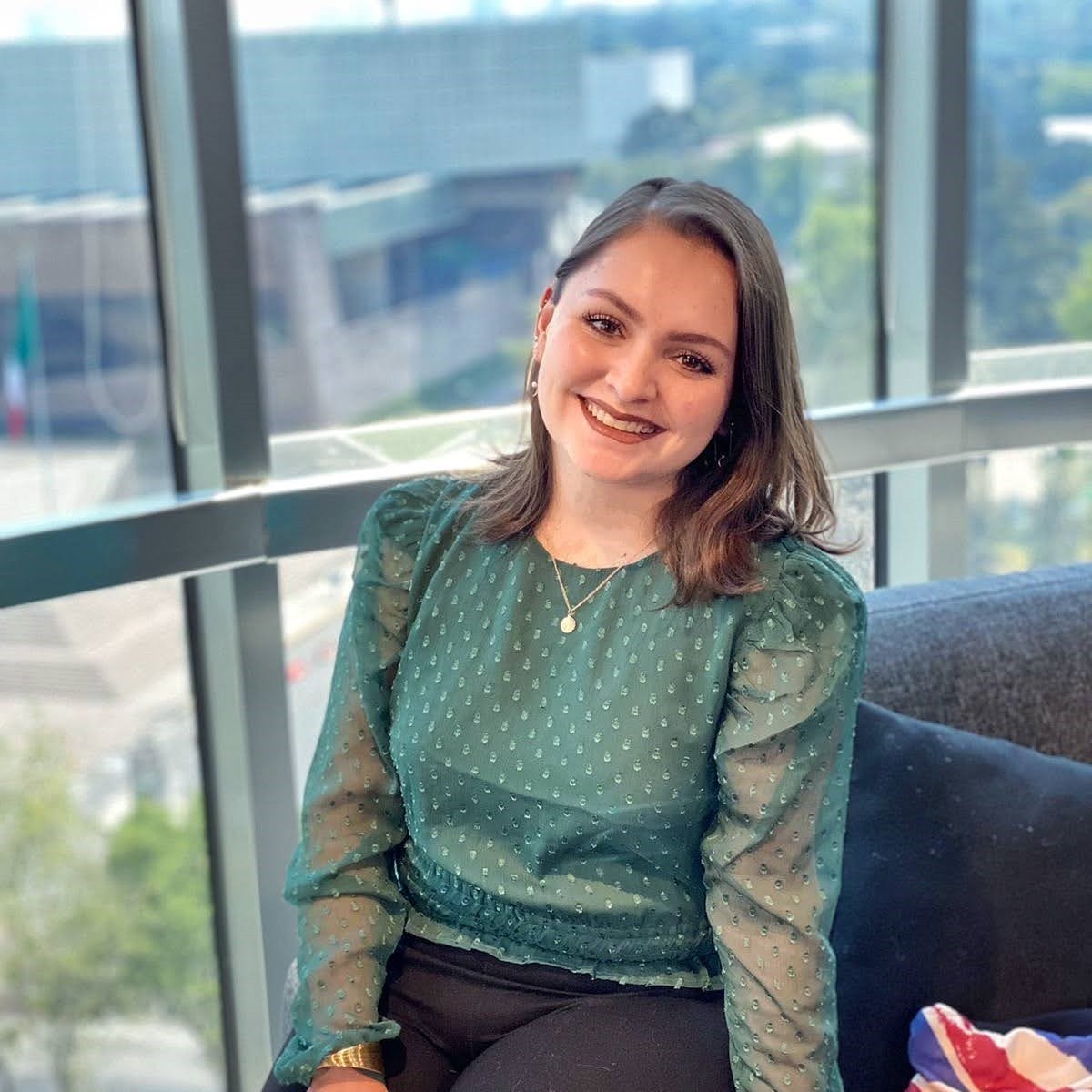
Lucy Padilla
Climate Partner
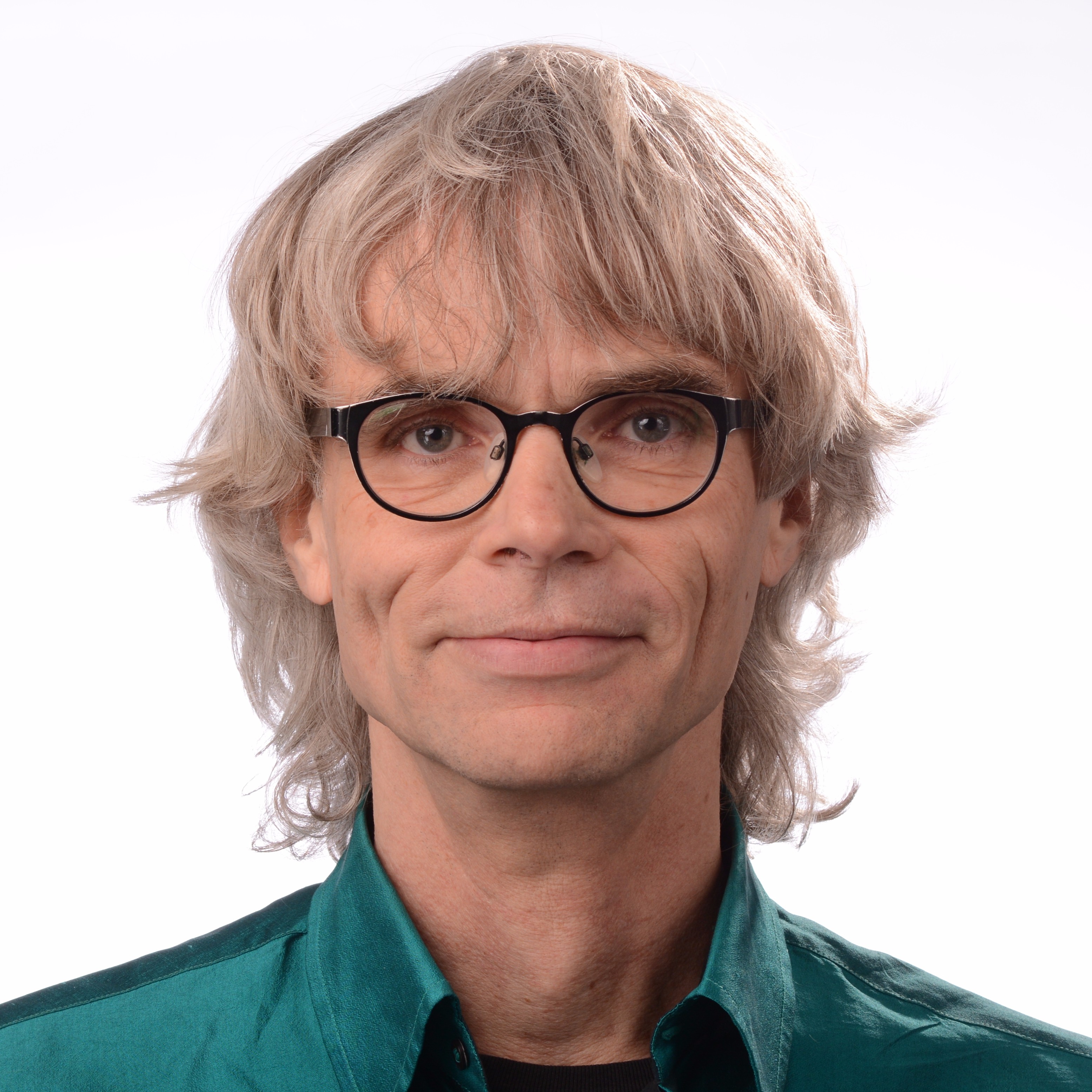
Yuri Engelhardt
University of Twente
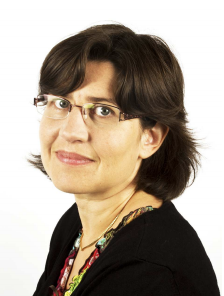
Valérie Masson-Delmotte
Université Paris Saclay
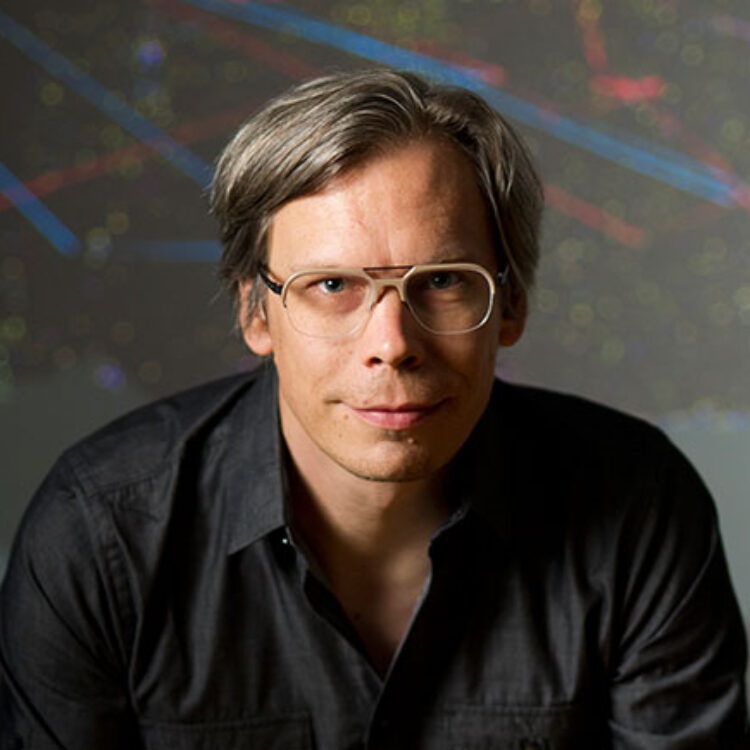
Dietmar Offenhuber
Northeastern University
Important Dates
All deadlines are at 11:59pm (23:59) Anywhere on Earth (AoE).
Submission deadline: June 25, 2026 June 30, 2026
Author notifications: July 23, 2026
Camera-ready deadline: August 13, 2026
Call for Participation
As a basis for the planned discussions, we invite the community to submit:
- Original research contributions that summarize original research as extended abstracts (up to 2 pages) or short papers (up to 4 pages).
- Reflections, opinions, challenges, or critical views that characterize or challenge the role of visualization in climate change (up to 3 pages).
- Pictorials, posters, and interactive demos can have any form (video, photos, comic, etc..) linked from a one-page description with relevant references.
Relevant visualization tasks include (but are not limited to):
Possible target audiences include (but are not limited to):
Submissions can be made on PCS (select VGTC > VIS 2026 > VIS 2026 vis4climate). All submissions will be peer-reviewed by at least 2 reviewers, including invited external reviewers and members of the workshop committee. We want to give authors the option to decide whether they would like their accepted submissions archived. Submissions will serve as guiding topics for discussions during the workshop. Therefore, please indicate which domain area, visualization task, and target audience your submission addresses.
Organizers
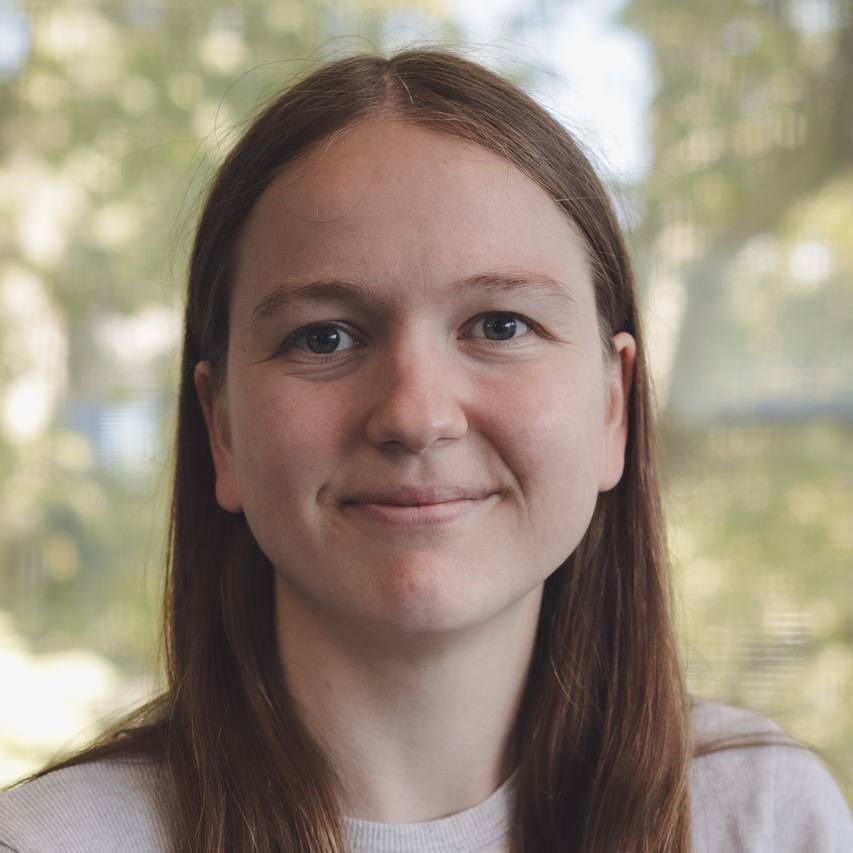
Christina Humer
ETH Zürich
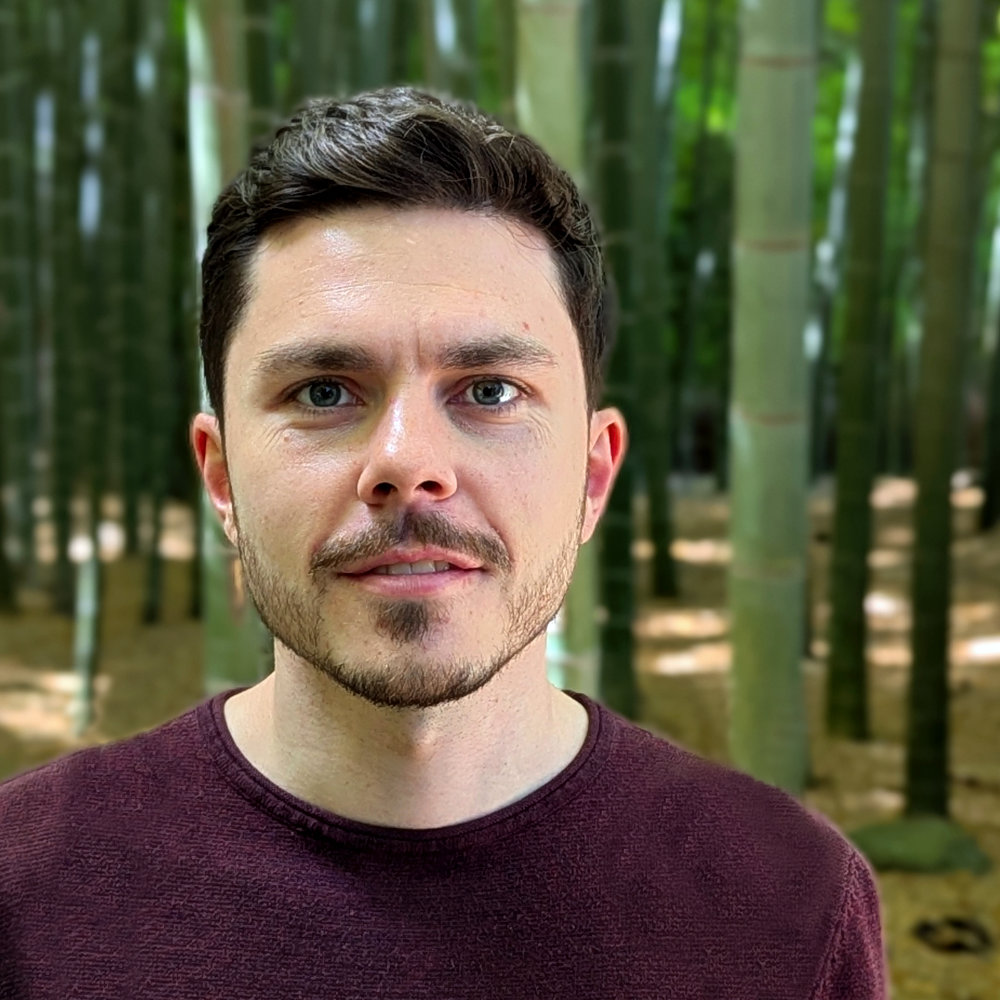
Andreas Hinterreiter
JKU Linz
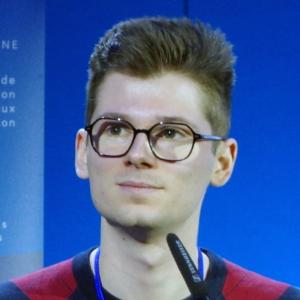
Aymeric Ferron
Inria & Université de Bordeaux
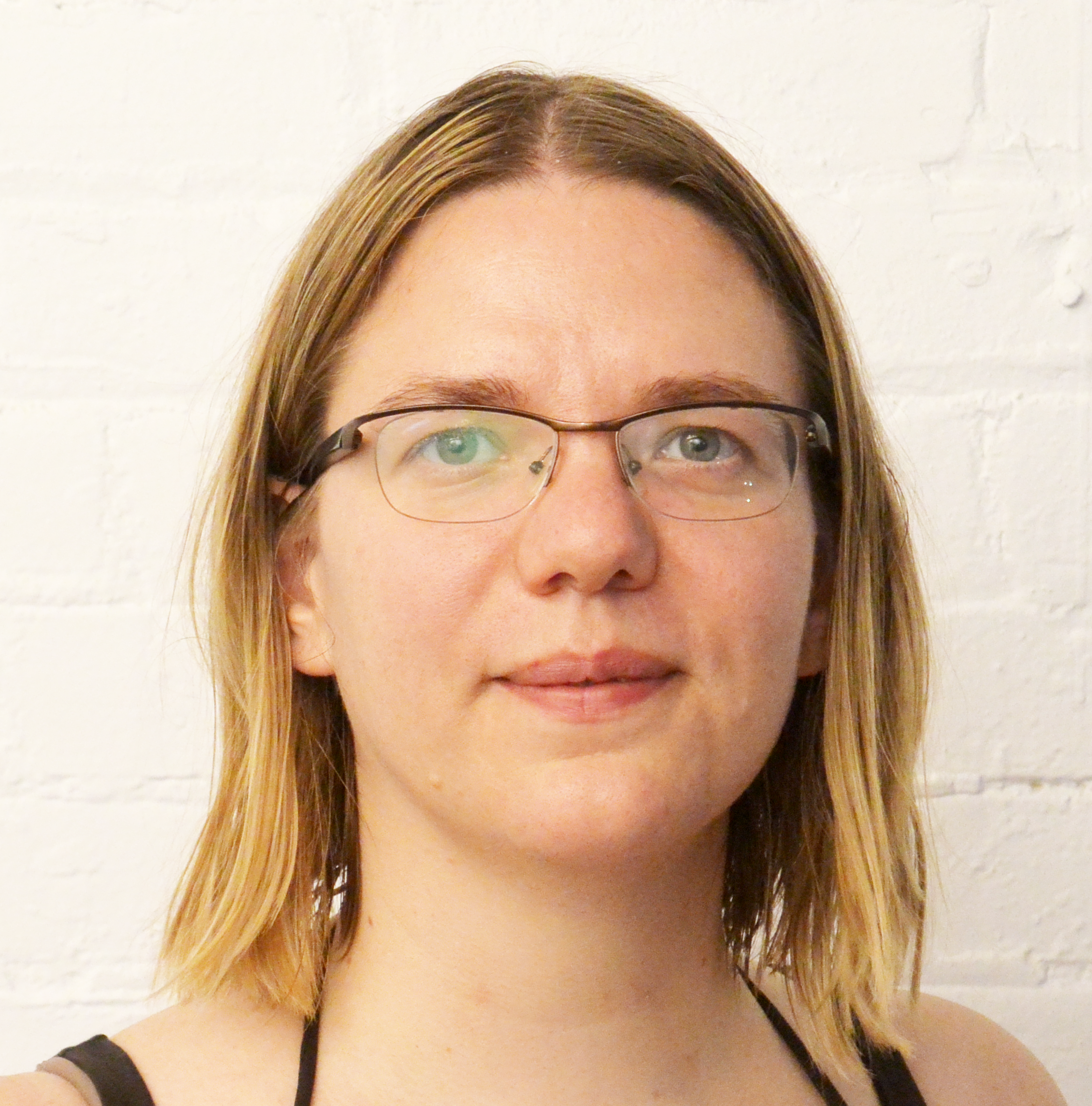
Fanny Chevalier
University of Toronto
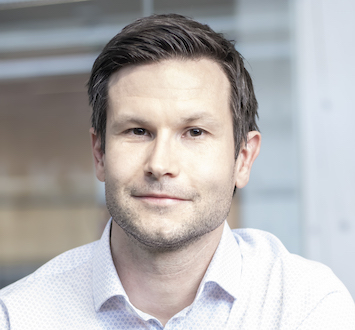
Marc Streit
JKU Linz
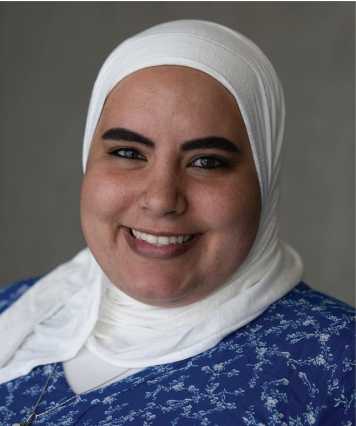
Menna El-Assady
ETH Zürich
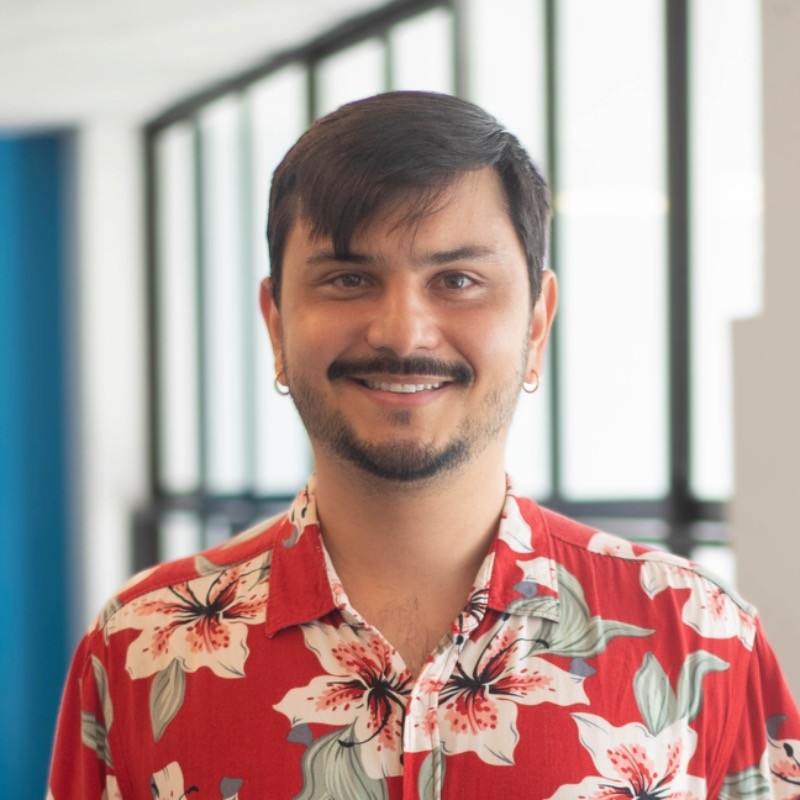
Luiz A. Morais
CIn-UFPE
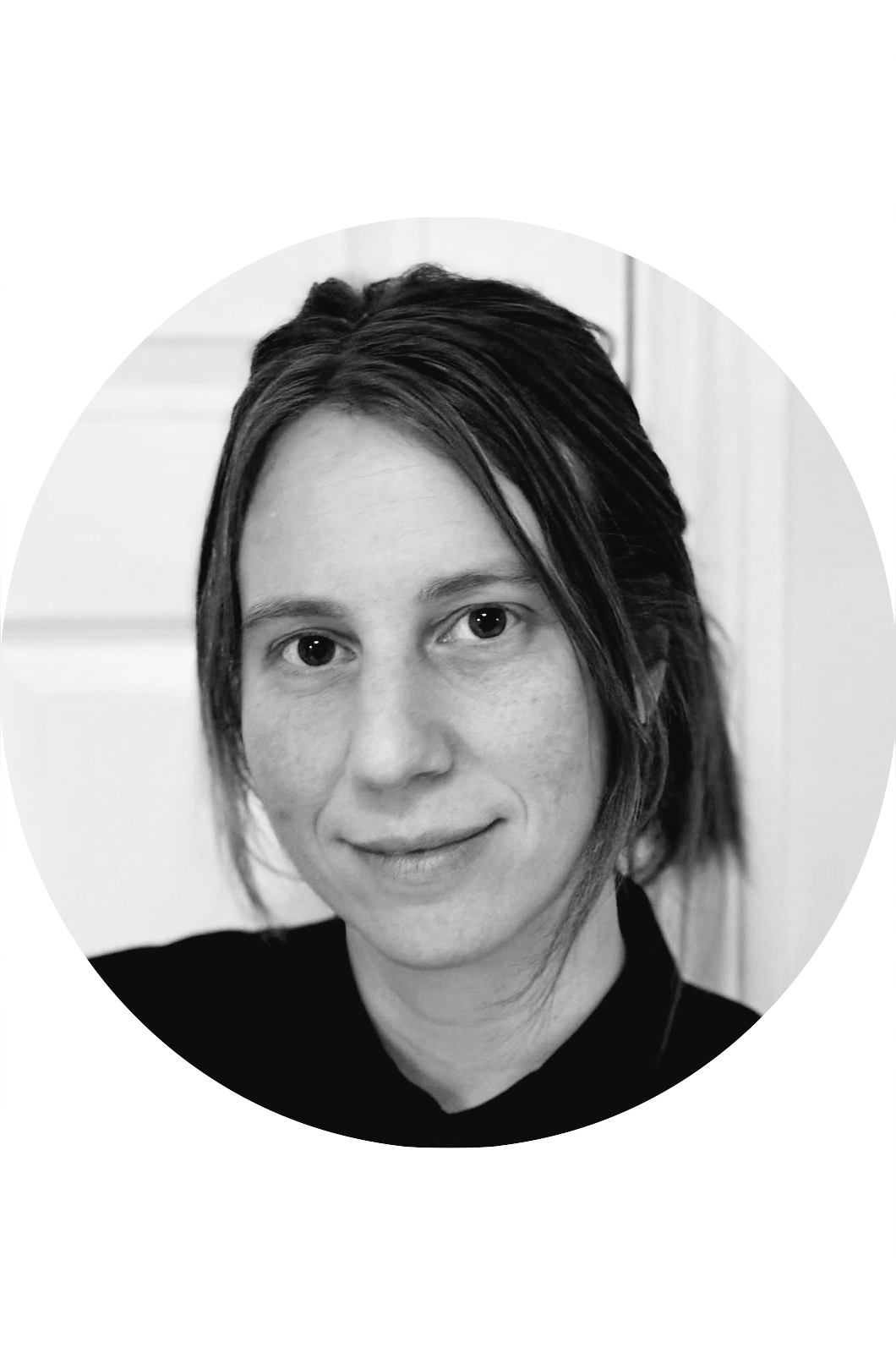
Georgia Panagiotidou
Kings College London
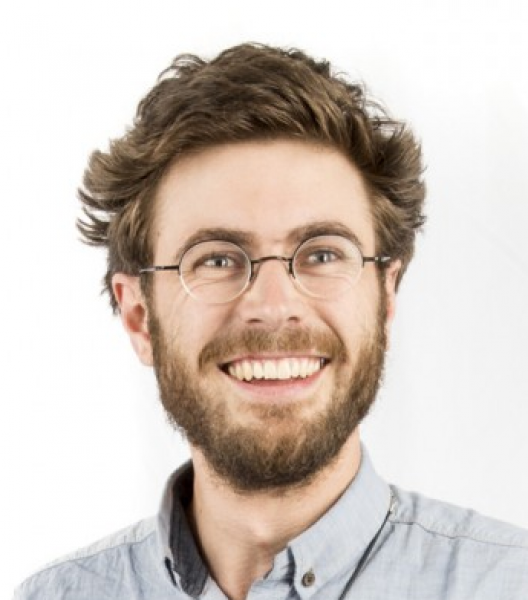
Benjamin Bach
Inria
Contact
For any questions or inquiries, please contact us at vis4climate@googlegroups.com.